Search results
Universal Jurisdiction Law and Practice in Finland
The principle of universal jurisdiction allows national courts to investigate and prosecute international crimes committed on foreign territory by foreign nationals. This briefing paper provides an overview of Finland's legal framework on universal jurisdiction and was produced in partnership with TRIAL International.
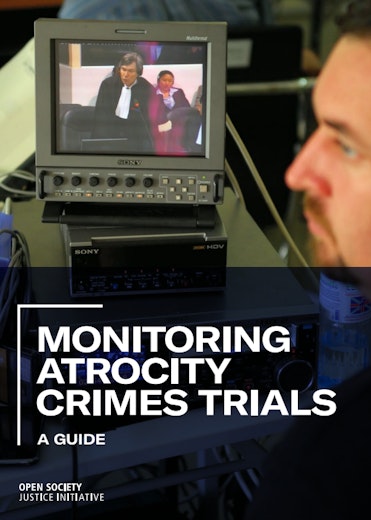
Monitoring Atrocity Crimes Trials: A Guide
This guide provides guidance on observing and reporting on international criminal trials, including guidance on what to monitor, how to convey important information, and how to reach key audiences.
What is Ethnic Profiling?
Ethnic profiling takes place when law enforcement targets people not because of what they have done, but who they are. This fact sheet outlines the impact that the discriminatory practice has on people's lives in Europe.

Universal Jurisdiction Law and Practice in Canada
The principle of universal jurisdiction allows national courts to investigate and prosecute international crimes committed on foreign territory by foreign nationals. This briefing paper provides an overview of Canada's legal framework on universal jurisdiction and was produced in partnership with TRIAL International.
Universal Jurisdiction Law and Practice in Sweden
The principle of universal jurisdiction allows national courts to investigate and prosecute international crimes committed on foreign territory by foreign nationals. This briefing paper provides an overview of Sweden's legal framework on universal jurisdiction and was produced in partnership with TRIAL International.
Ethnic Profiling
We work with police, activists, and community leaders across multiple European countries to document systemic ethnic profiling by police officers and to put a stop to abuses through new frameworks and policies.
The Right to Health Care in Prison during the COVID-19 Pandemic
This legal brief for legal practitioners and advocates details the international legal framework that governs the duty of states to protect the health and life of incarcerated persons during the COVID-19 pandemic.

Electing the Next Judges of the International Criminal Court: Principles and Essential Skills
This briefing paper outlines the steps member states should prioritize during the elections of six new judges to the International Criminal Court to ensure the highest caliber candidates are elected.

Model Emergency Housing Legislation: Protecting the Right to Housing during COVID-19
This comprehensive model emergency legislation, developed by the Open Society Justice Initiative, the Open Society Initiative for Europe, The Shift, and a coalition of human rights groups, consists of legal provisions that governments can use to protect the right to housing during the COVID-19 pandemic and the resulting economic crisis.

Protecting the Right to Housing During the COVID-19 Crisis
This briefing paper highlights the patchwork approach that States across the world have taken in order to protect the right to housing during the COVID-19 crisis, and examines the need for more comprehensive emergency legislation to prevent evictions during a global pandemic.

Who Polices the Police? The Role of Independent Agencies in Criminal Investigations
This publication explores the efforts of independent investigative agencies to investigate and prosecute allegations of serious crimes against police and other state agents.

Universal Jurisdiction in Sweden: Victims of Syria’s Chemical Weapons Attacks Demand Justice
This briefing paper explains the criminal complaints filed in Sweden on April 19, 2021, against the Syrian government for chemical weapons attacks in Al-Ghouta and Khan Shaykhun and the broader campaign for criminal accountability for chemical weapons use in Syria.
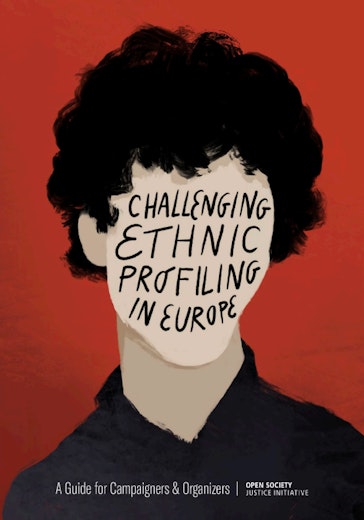
Challenging Ethnic Profiling in Europe: A Guide for Campaigners and Organizers
This guide provides an international overview of how to challenge and end ethnic profiling, distilling key lessons and strategic insights learned from over a decade of work on the ground.
2021 Global Human Rights Litigation Report
Summaries of over 60 strategic litigation rulings in cases undertaken by the Open Society Justice Initiative to defend and strengthen human rights around the world.

Implementing Human Rights Decisions: Reflections, Successes, and New Directions
This publication takes stock of the growth and change in the field of human rights implementation, and how to ensure legal decisions can be realized.
European States’ Obligations to Repatriate the Children Detained in Camps in Northeast Syria
This legal briefing paper provides information to assist practitioners in advocating and litigating for the repatriation of children who are detained in northeast Syria and whose parents are European nationals possibly affiliated with ISIS.
Universal Jurisdiction Law and Practice in England and Wales
The principle of universal jurisdiction allows national courts to investigate and prosecute international crimes committed on foreign territory by foreign nationals. This briefing paper provides an overview of the legal framework in England and Wales on universal jurisdiction and was produced in partnership with TRIAL International and REDRESS.

2020–2021 International Criminal Court Prosecutor Election Process: Insights and Recommendations for Future Elections
Building on the Justice Initiative’s advocacy efforts to improve election and nomination procedures throughout the International Criminal Court, and drawing on a range of interviews conducted with individuals engaged in the process, this paper reflects on the prosecutor’s election and offers guidance on how it can be improved.
Denmark’s Discriminatory “Ghetto Package”: Demographic Reports on Nøjsomhed-Sydvej, Helsingor, and Evicted Households
Reports by the Centre for Alcohol and Drug Research at Aarhus University analyze demographic trends in Nøjsomhed-Sydvejand, a neighborhood in Denmark designated as a "ghetto" under the government's controversial "Ghetto Package," and three comparator areas, as well as the demographics of 96 forcibly-evicted households in Nøjsomhed-Sydvejand.
From Spectators to Champions: How Supportive States Can Promote Cooperation with the International Criminal Court through Multilateral Bodies
This briefing paper offers recommendations as to how the ICC should approach cooperation challenges, as well as how states that are supportive of its work could leverage multilateral bodies’ support to influence reluctant governments to cooperate with the ICC.
